
Turn Any Idea into an Engineering-Ready Product Spec
Spec is an adaptive AI Product Manager Agent. It runs a 10-step discovery pipeline — strategy planning, JTBD, HMW, Lean Canvas, market sizing, competitor analysis, persona simulation, assumption mapping, canvas revision, and Shape Up PRD — adapting depth and scope to your specific product type.
✨ No credit card required. Start your first project in seconds.
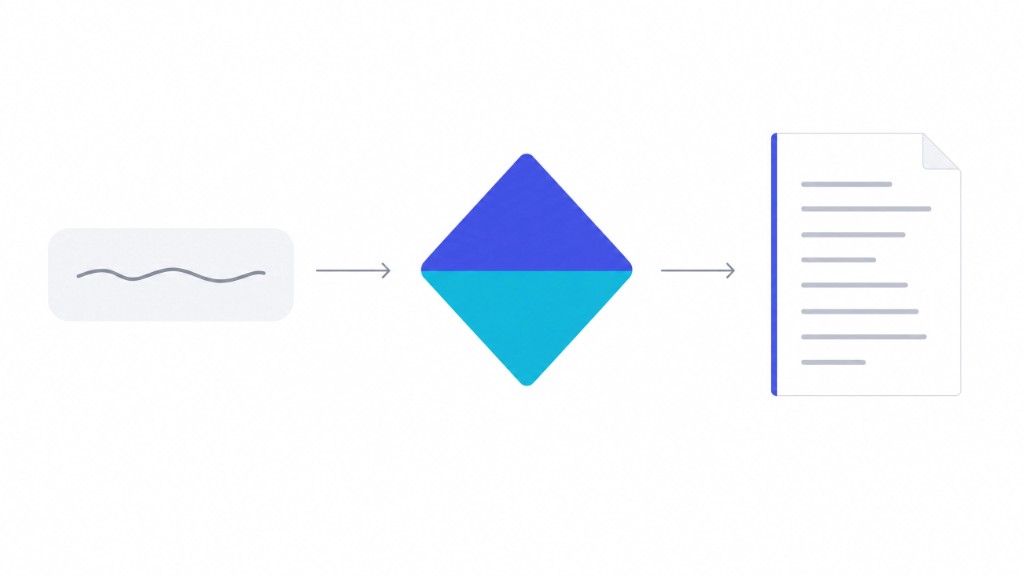
What is Spec
Spec is an adaptive AI Product Manager Agent for founders and indie hackers in the Vibe Coding era. It doesn't write code — it writes the blueprint that makes AI write better code. And it adapts to every product type, from SaaS to hardware.
- Agentic, Not AssistiveSpec plans its own research strategy before executing — classifying your product, setting research depth, and activating domain-specific modules automatically.
- Industry-Adaptive PipelineDetects product type (SaaS, hardware, game, fintech, healthtech, and 20+ more) and adjusts its entire workflow — research queries, PRD structure, and output depth — accordingly.
- Export-Ready OutputThe final PRD exports as a structured Markdown file — fully formatted for AI coding tools, with data models, API specs, user stories, and explicit scope boundaries.
Close the Validation Gap
Vibe Coding compresses development from months to days. But without product discovery, you're building fast in the wrong direction. Spec fixes that.
10-Step Adaptive Pipeline
Strategy planning → JTBD → HMW ideation → Lean Canvas → market sizing → competitor analysis → persona simulation → assumption mapping → canvas revision → Shape Up PRD. Every step automated, every result streamed live.
Real Competitor & Market Intelligence
Uses Firecrawl to deep-scrape competitor websites and Tavily to search market data. Includes pricing, features, positioning gaps — and adjusts scope globally or regionally based on your product.
Human-in-the-Loop Approvals
Pauses at critical steps — JTBD validation and final PRD — so you can review, edit, or regenerate before the agent continues. You stay in control of direction; Spec handles the research.
How Spec Works
From a single sentence to an engineering-ready PRD in four phases:
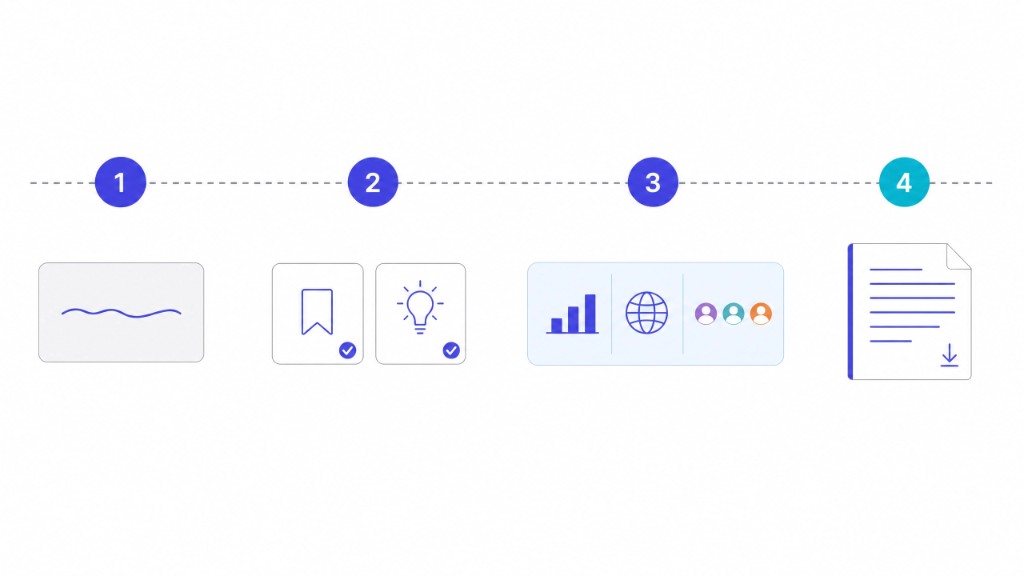
Describe Your Idea
One sentence is enough. Spec's Strategy Planner classifies your product type, sets research depth, and identifies any domain-specific modules needed — before touching a single API.
Approve the JTBD + HMW Frame
Spec reframes your idea as a Jobs to Be Done statement, then generates How Might We opportunities. You confirm the direction before the deep research begins.
Watch the Agent Research
Spec autonomously runs market sizing, competitor scraping, multi-persona simulation with Van Westendorp pricing analysis, assumption mapping, and Lean Canvas refinement — all streamed live.
Export Your Engineering-Ready PRD
After your final approval, Spec generates a product-type-adapted Shape Up PRD. Export as an .md file and paste directly into your AI coding tool to start building.
Spec Core Features
Everything you need to validate before you build — in one adaptive agent.
Adaptive Strategy Planner
Before research begins, Spec classifies your product type (SaaS, hardware, game, fintech, and 20+ more), sets research depth, and activates domain-specific modules like regulatory research or supply chain analysis.
JTBD + HMW Framing
Transforms your idea into a validated Jobs to Be Done statement, then generates How Might We opportunities — establishing the problem space before any solutions are considered.
Lean Canvas + Revision Loop
Generates a full 9-section Lean Canvas, then revises it after market and competitor research — ensuring the business model reflects reality, not just assumptions.
Market Sizing with Citations
Searches TAM/SAM/SOM data from authoritative sources (Grand View Research, Straits Research, etc.) with year-over-year trends and conservative, logic-backed SOM calculations.
Competitor Intelligence
Scrapes competitor pricing, feature lists, and homepages across global markets. Generates a comparison matrix with explicit MATCH / DIFFERENTIATE / LEAPFROG decisions.
Digital Focus Group + Van Westendorp PSM
Simulates 3 distinct user personas with Van Westendorp Price Sensitivity Meter analysis — surfacing willingness-to-pay ranges and friction points without real user interviews.
Built for the Vibe Coding Generation
Compressing product discovery from weeks to hours.
Automated
10 Steps
adaptive discovery pipeline
Saved
2 Weeks
vs manual discovery
Export as
.md File
paste into AI coding tools
Frequently Asked Questions
More questions? Reach us on Discord or email.
How is Spec different from ChatGPT or Claude?
Spec is agentic, not assistive. Before writing a single word, it runs a Strategy Planner that classifies your product type and sets research depth. Then it autonomously searches the web, scrapes competitor sites, runs Van Westendorp pricing analysis, and enforces a structured 10-step methodology. ChatGPT gives you whatever you ask for; Spec gives you what you actually need.
Does Spec adapt to different product types?
Yes. Spec detects your product category — SaaS, hardware, game, marketplace, fintech, healthtech, dev tool, and 20+ others — and adjusts its entire pipeline accordingly. A hardware product gets ODD, system architecture, and BOM sections. An AI product gets model selection guidance and generation API recommendations. A fintech product gets compliance and KYC sections.
Can I export the PRD for use with AI coding tools?
Yes. Click Export MD to download a fully structured Markdown file. It includes user stories with acceptance criteria, data models, API endpoint definitions with request/response schemas, and explicit in-scope/out-of-scope lists — everything an AI coding tool needs to generate production-ready code.
What happens if the agent gets stuck?
Spec uses LangGraph's checkpoint mechanism — state is saved to the database after every completed node. If the connection drops, you can resume from the last completed step without losing any data.
What data sources does the competitor analysis use?
Spec uses Tavily AI search for market data and Firecrawl for deep-scraping competitor websites (pricing pages, feature lists, homepages). Competitor scope is adaptive — local, regional, or global — based on your product's market. If a site has anti-bot protection, Spec falls back to search data gracefully.
How long does a full analysis take?
Typically 30–60 minutes for the full 10-step pipeline, depending on research depth (set automatically based on product complexity). Competitor scraping is the most time-intensive step (30–60 seconds per competitor). Results stream live — you're never staring at a blank screen.
Stop Guessing. Start Validating.
Use Spec to complete product discovery in hours, not weeks. Make every line of Vibe Code count.